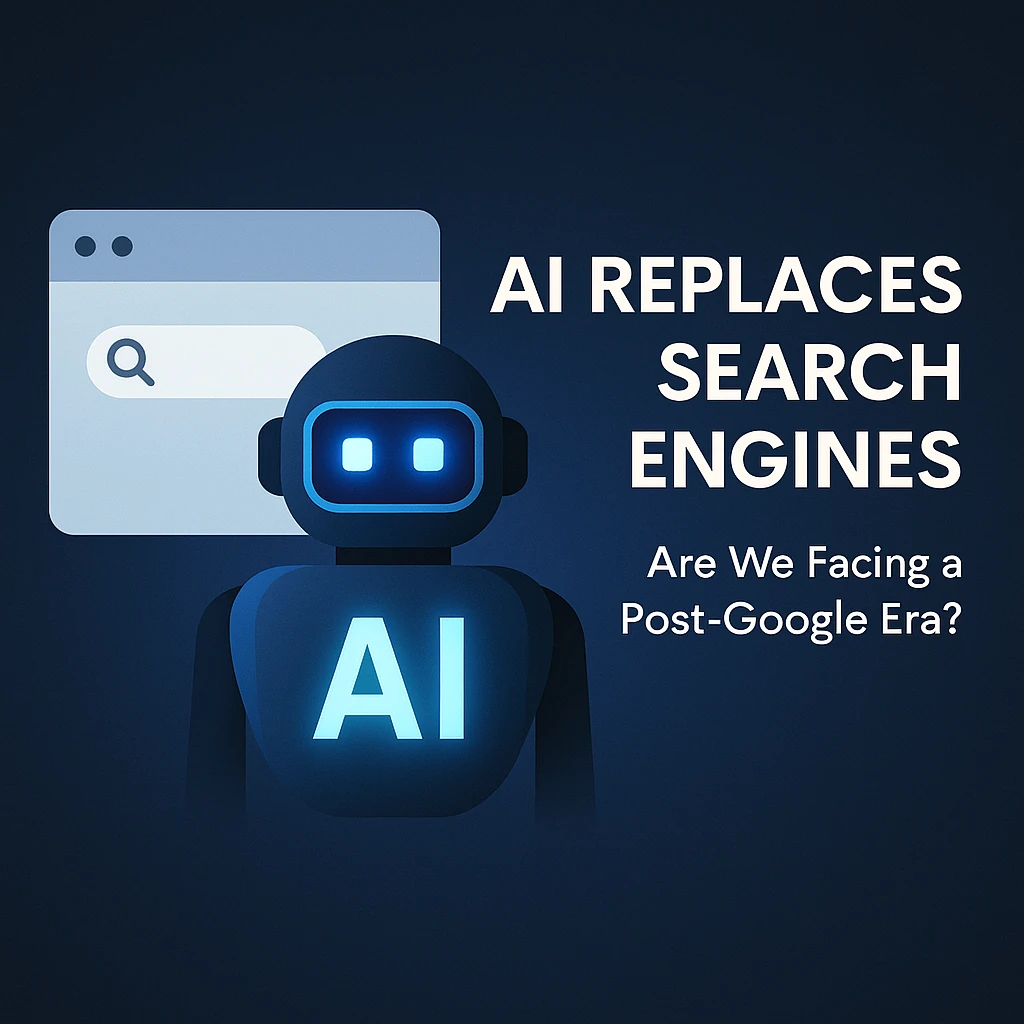
AI replaces search engines—a phrase that once sounded futuristic is quickly becoming a reality. With tools like ChatGPT, Perplexity, and Gemini offering fast, direct answers, more users are turning away from traditional search engines. But what does this shift mean for how we find, trust, and engage with information?
From Queries to Conversations
Traditional search engines return lists of links. Users sift through titles, skim snippets, and choose where to click. In contrast, AI interfaces skip that step. You ask a question—and the AI gives you a concise, tailored response. This convenience changes user expectations. It also reduces the need to browse multiple sites.
The Impact on Website Traffic
As AI becomes the middle layer between users and websites, direct visits are dropping. Blogs, forums, and niche content providers report declining pageviews. Their content still matters—it trains the models—but fewer people actually see it firsthand. The SEO rules we knew are shifting fast.
Are Search Engines Obsolete?
Not entirely. AI still relies on web crawlers and data sources, many of which come from search engine infrastructure. However, the interface is evolving. Google itself is integrating AI summaries into results. Bing’s AI-driven chat is leading the charge. We’re not seeing a total replacement—yet. But we are witnessing a major transformation.
What Comes Next?
We may be heading toward a post-search paradigm, where AI agents become the primary interface for knowledge. In this future, search engines may fade into the background—still indexing, but rarely seen.
Conclusion: Search Is Changing, Not Dying
AI replaces search engines not by erasing them, but by redefining them. The future of discovery will be shaped not by clicks, but by conversations. For users, it’s faster. For creators, it’s a challenge. Either way, there’s no going back.


