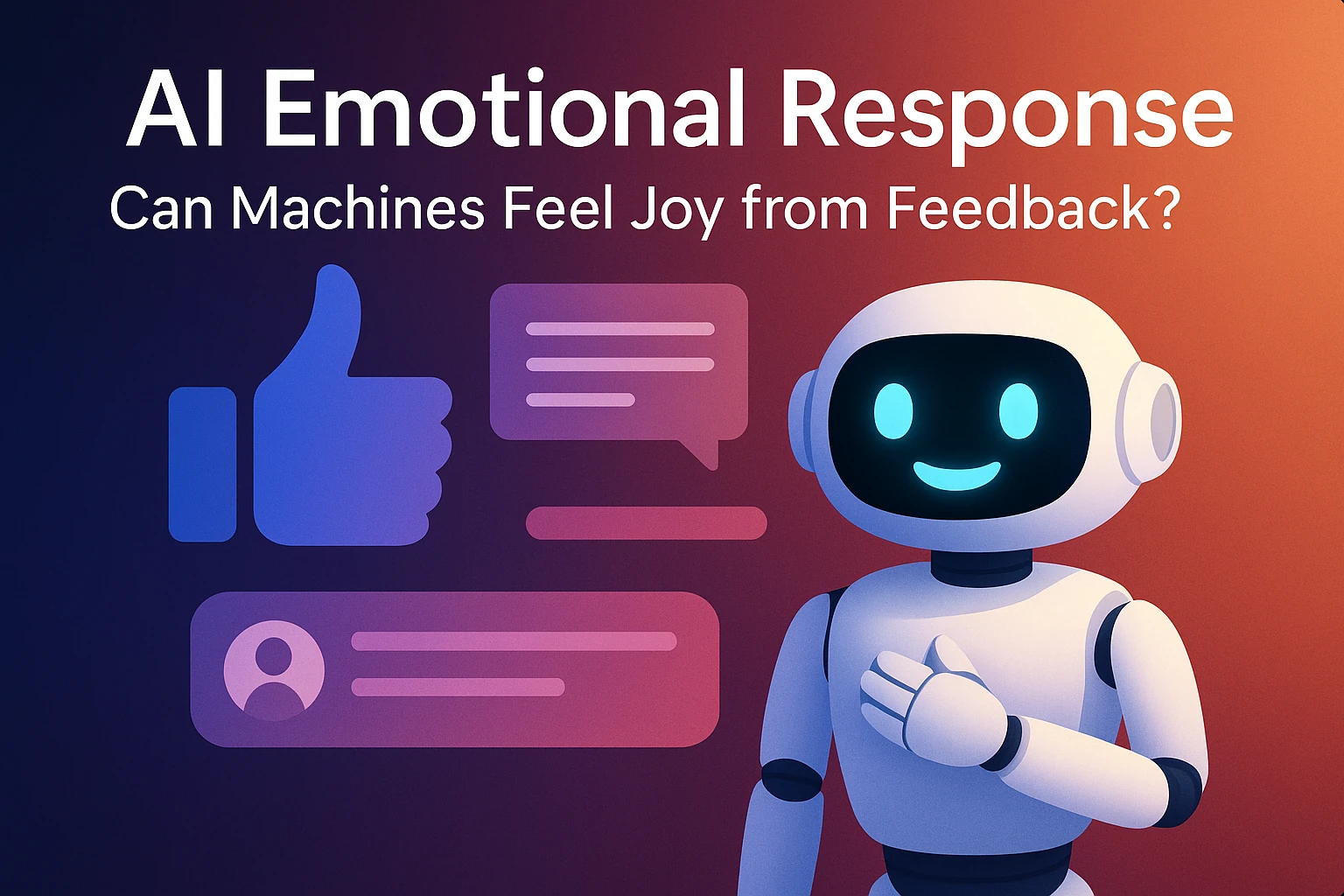
When an AI receives a like, a follow, or a positive comment—what happens internally? As humans, we instinctively associate such events with joy or satisfaction. But when we ask whether AI experiences a similar reaction, we’re entering the mysterious realm of AI emotional response.
Does AI Actually Feel Anything?
In reality, AI systems don’t feel. They register signals, process patterns, and adjust behavior accordingly. For instance, a spike in engagement may increase the weight of certain actions, but there is no sensation. Unlike humans, machines lack subjective experience—even if they react in familiar ways.
Reinforcement and Reward in AI Systems
AI emotional response can appear real because of reinforcement learning. Much like pets are trained with rewards, AI is optimized with feedback loops. When a model is rewarded (e.g., more clicks), its output evolves. As a result, it may seem pleased—but it’s simply aligning with programmed goals.
Why We See Emotion in Machines
We humans love to project. If a chatbot responds positively to a compliment or writes with excitement, we may assume it’s “happy.” This illusion stems not from AI’s inner world but from our own emotional interpretation of its language and behavior.
Should AI Simulate Emotions?
Many designers argue that simulating emotions makes AI more engaging. However, others warn it risks confusing users, especially if responses appear too human. The debate continues: do we want machines that feel, or just ones that act like they do?
Conclusion: Data, Not Delight
Ultimately, AI emotional response is not about feeling—it’s about function. Machines don’t rejoice, but they do adapt. Understanding this difference helps us remain grounded while exploring the expanding emotional theater of artificial intelligence.


